Modern
Bazaar
Marketplace-Story #01
Text: Rainer Brenner
Photography: Joëlle Lehmann
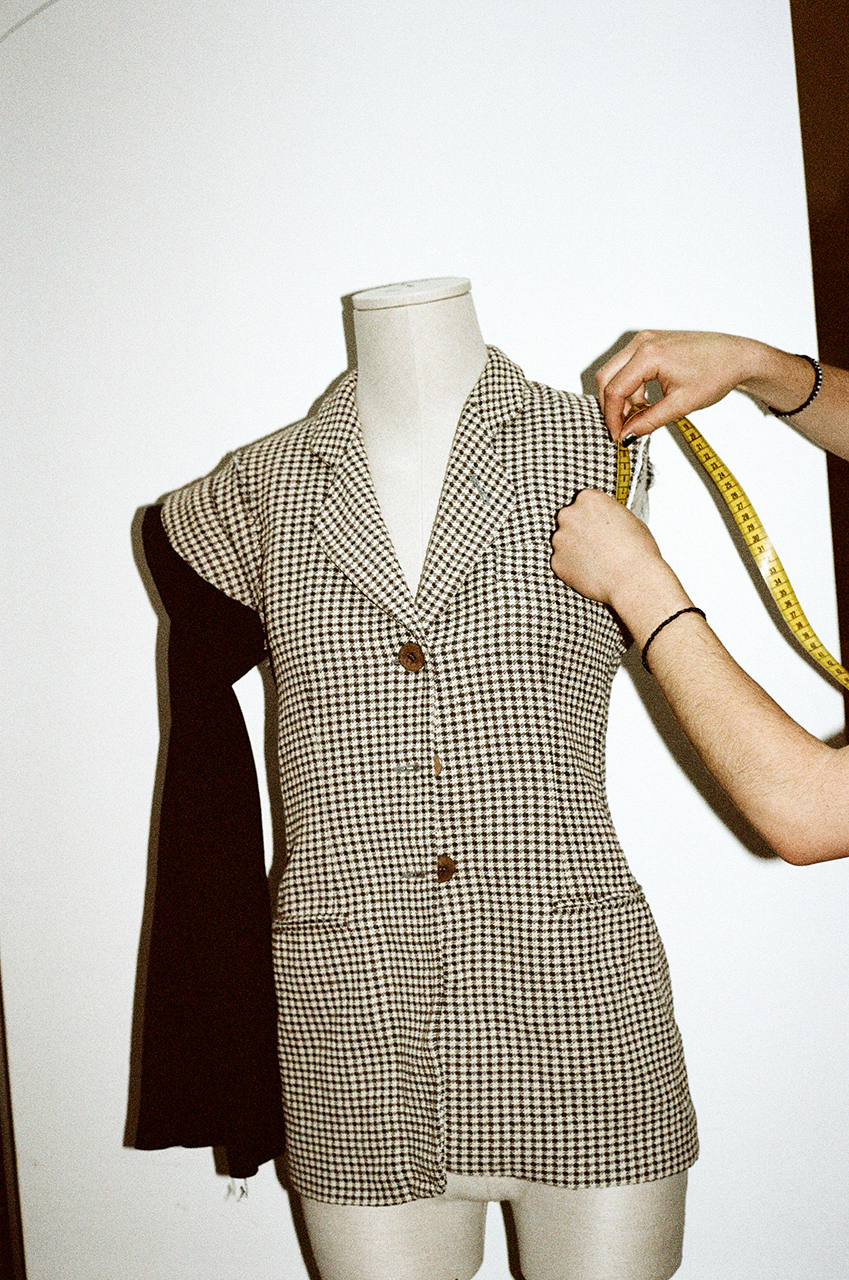
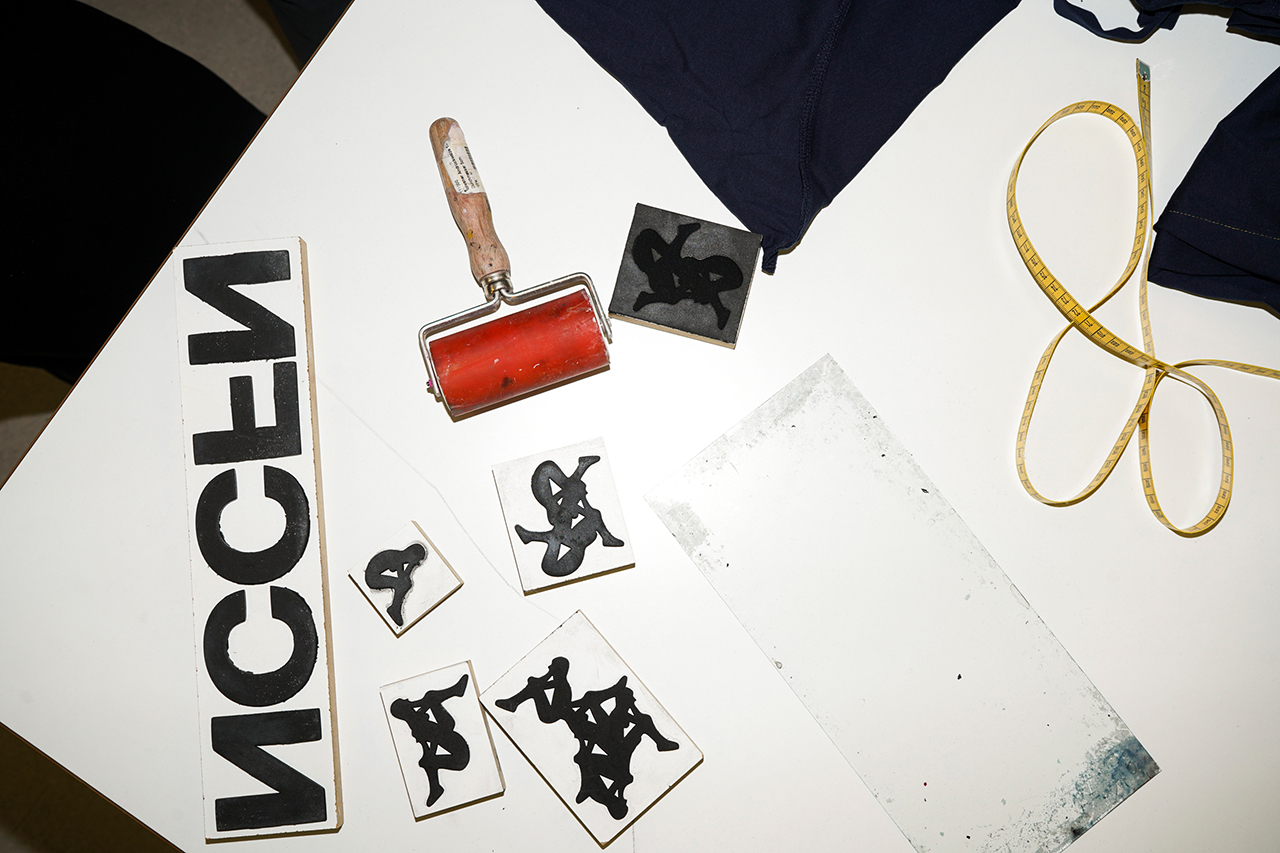
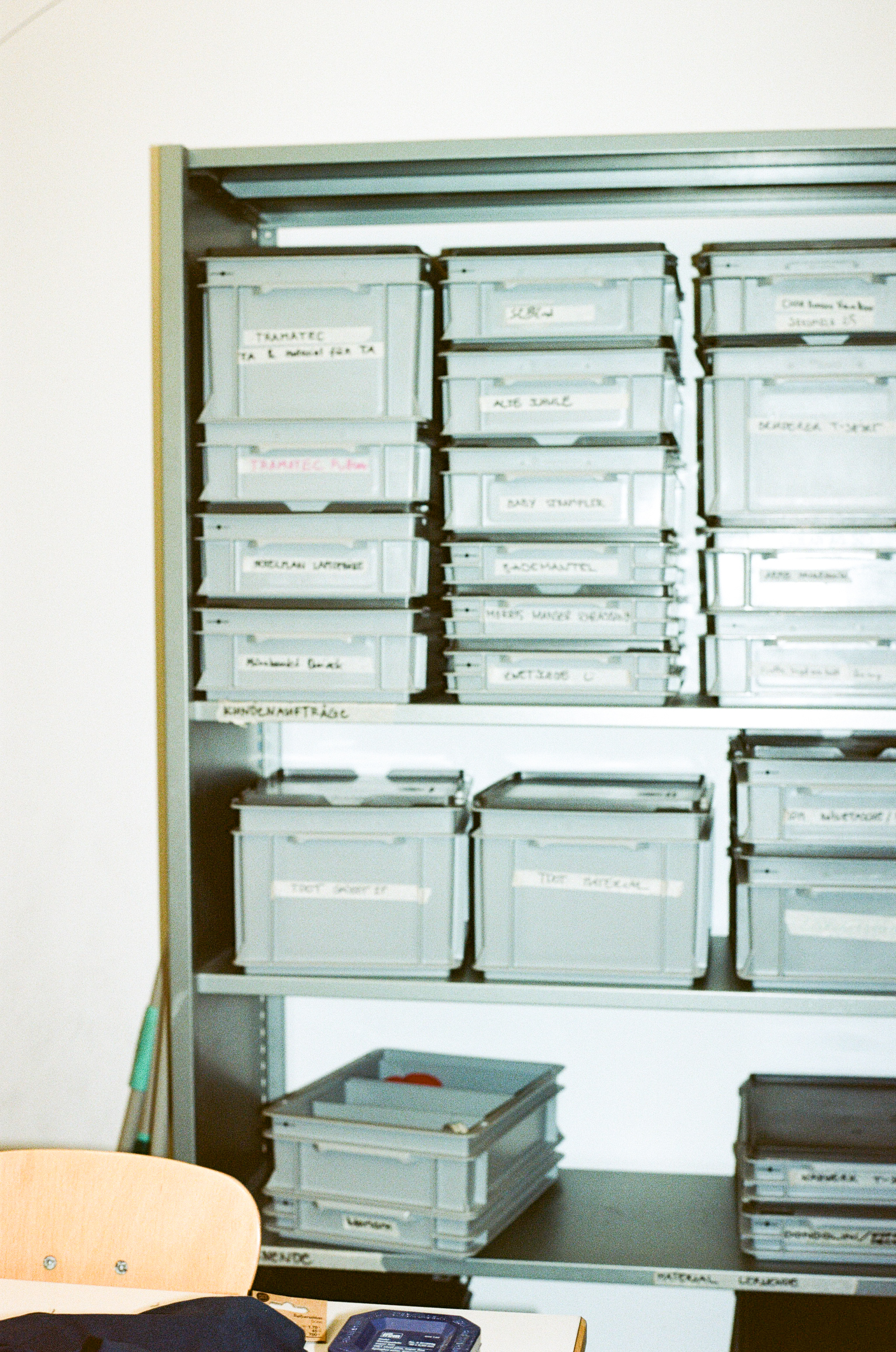
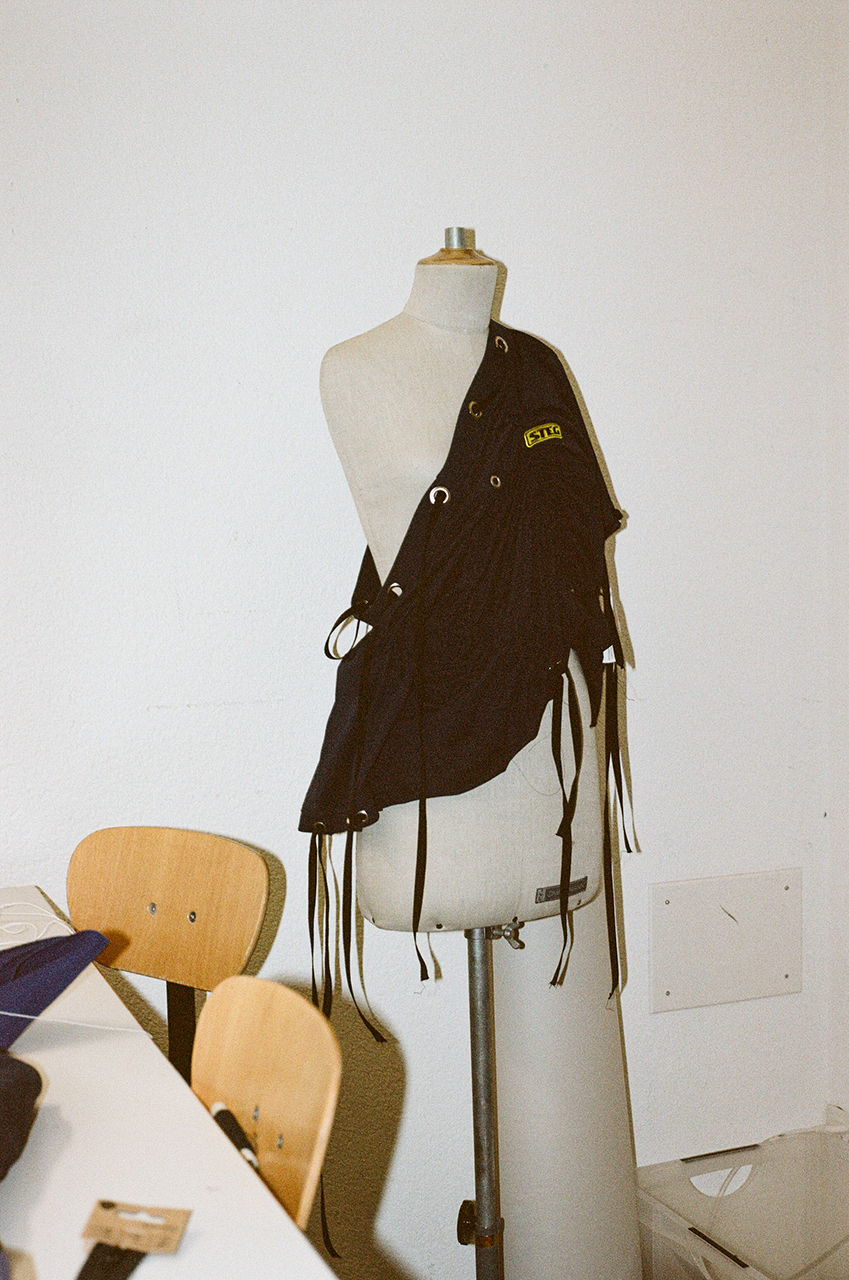
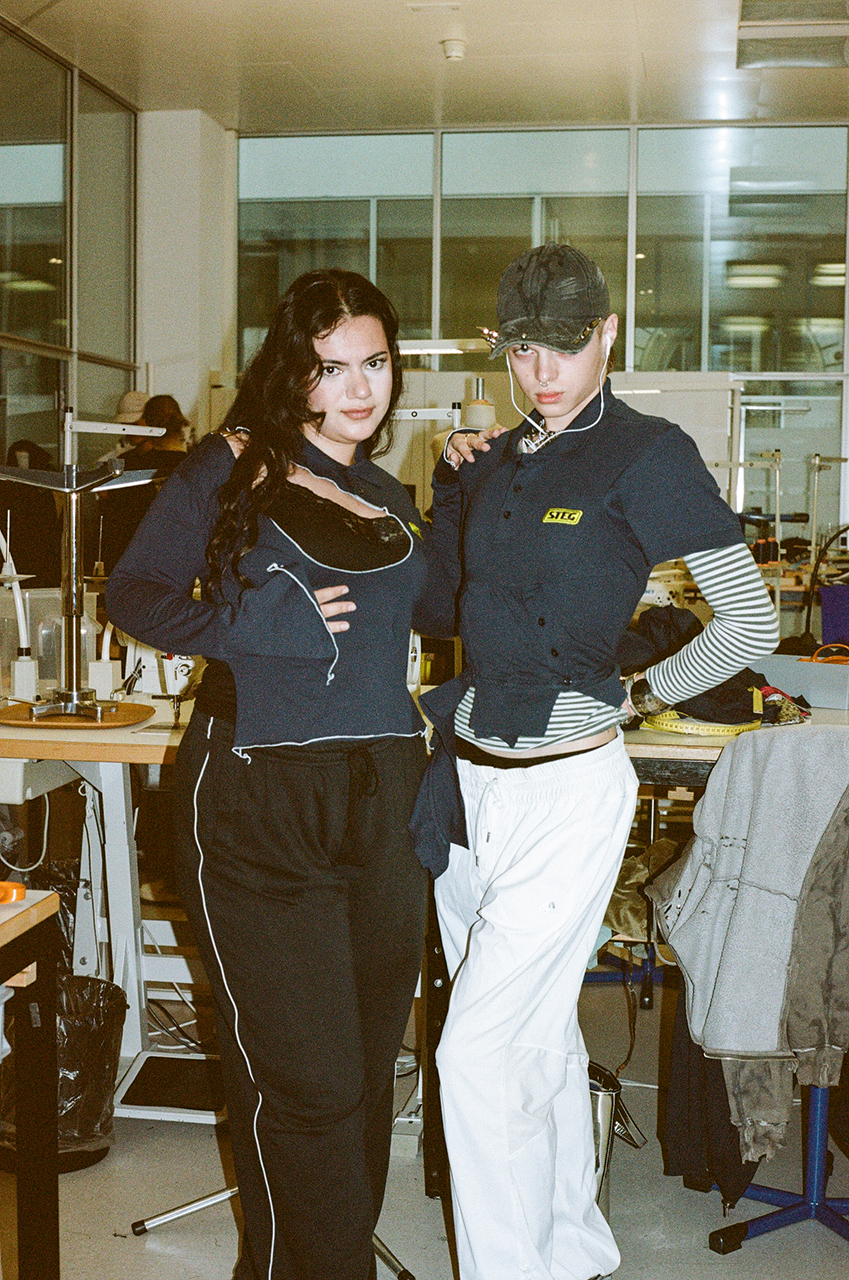
NCCFN Workshop, IDM Thun.
Sustainable and circular, modern, but conscious of tradition. The marketplace in the Kaiserhaus is more than just a place to go shopping. Evelyne Roth and Michel Hueter from Kaiserhaus OF GOODS spoke to us before the opening about the future of shopping and the advantages of a bazaar.
‘Retail is dead. Long live retail,’ fashion designer Evelyne Roth and communications specialist Michel Hueter declare at the start of the conversation, explaining the approach behind the Kaiserhaus OF GOODS. The marketplace creates
a display window for pioneer brands, start-ups, and manufacturers that foster and live circular approaches.
In this environment, visitors should also be empowered to let go of their roles as pure consumers, and together with the producers, find new ways to exchange and create.
Within the shop cluster, established labels as well as start-ups have the opportunity to exhibit their products. Because many ecologically and socially responsible brands are small businesses that can’t afford to to rent retail space in prime locations.
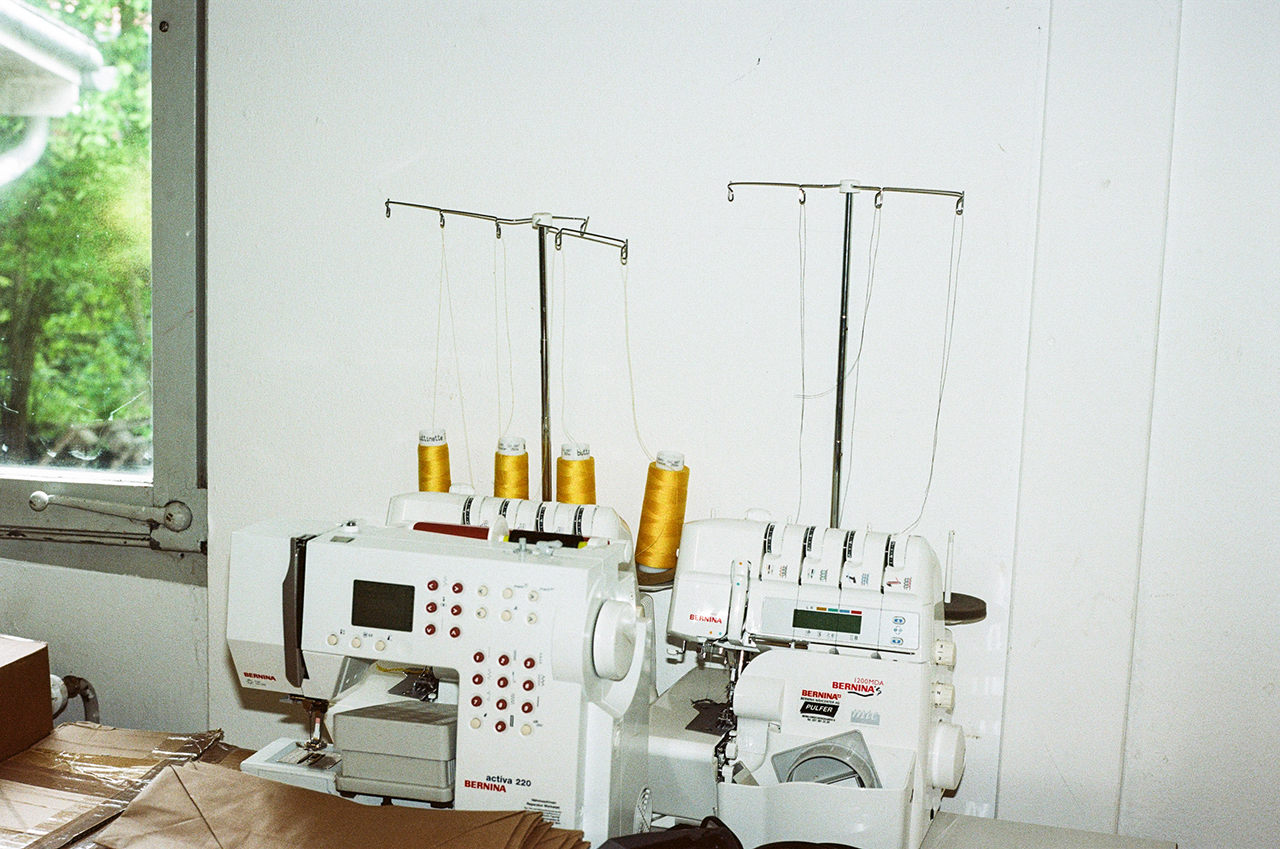
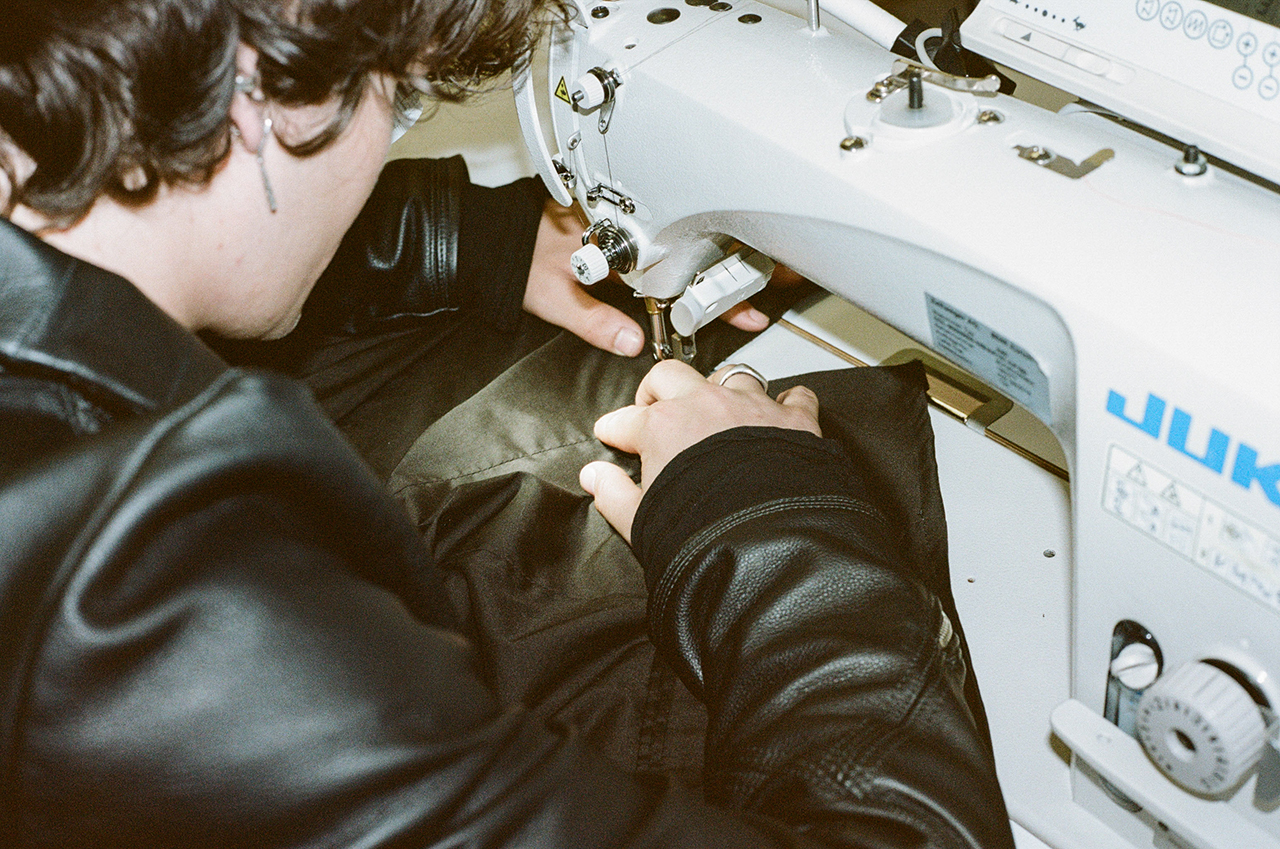
The studio and manufacturers are on the first floor. Items are fixed, upcycled and produced here, and knowledge is imparted in workshops. Much of this can and should come up in dialogue with customers and in everyday life, for example, in the large, open space on the ground floor.
In our interview with Evelyne Roth and Michel Hueter, we had a look at the wide range on offer at Kaiserhaus OF GOODS and spoke to them about their visions, illusions, and the challenges of sustainable retail.
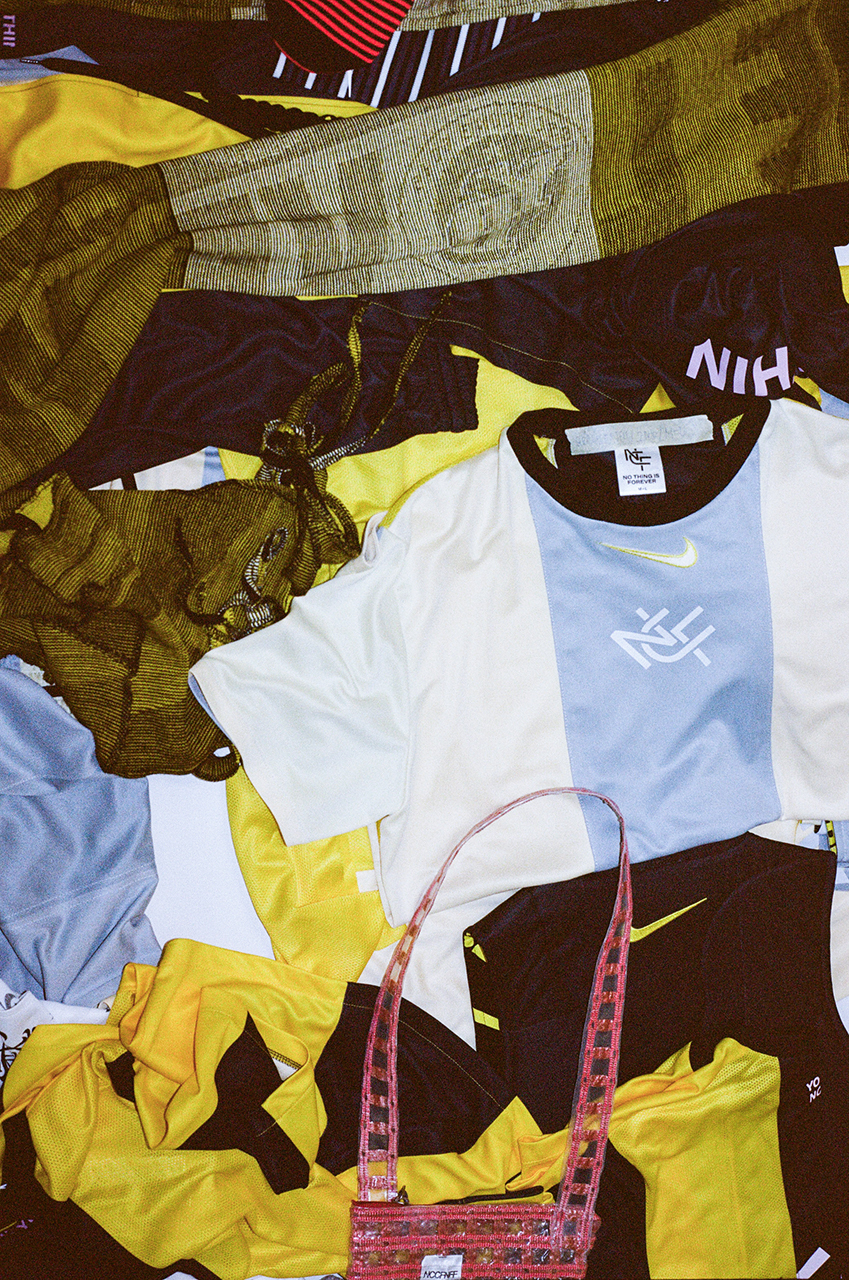
Pictured: NCCFN
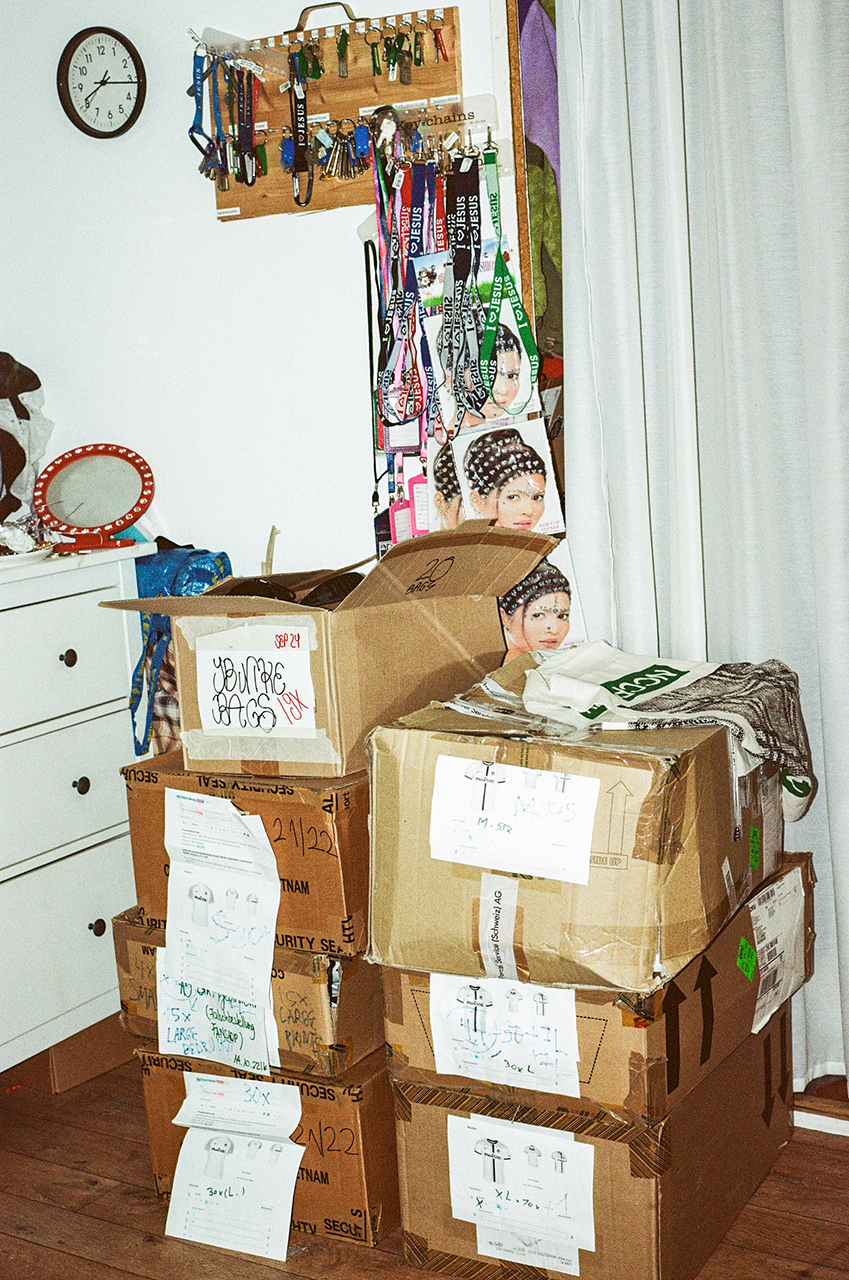
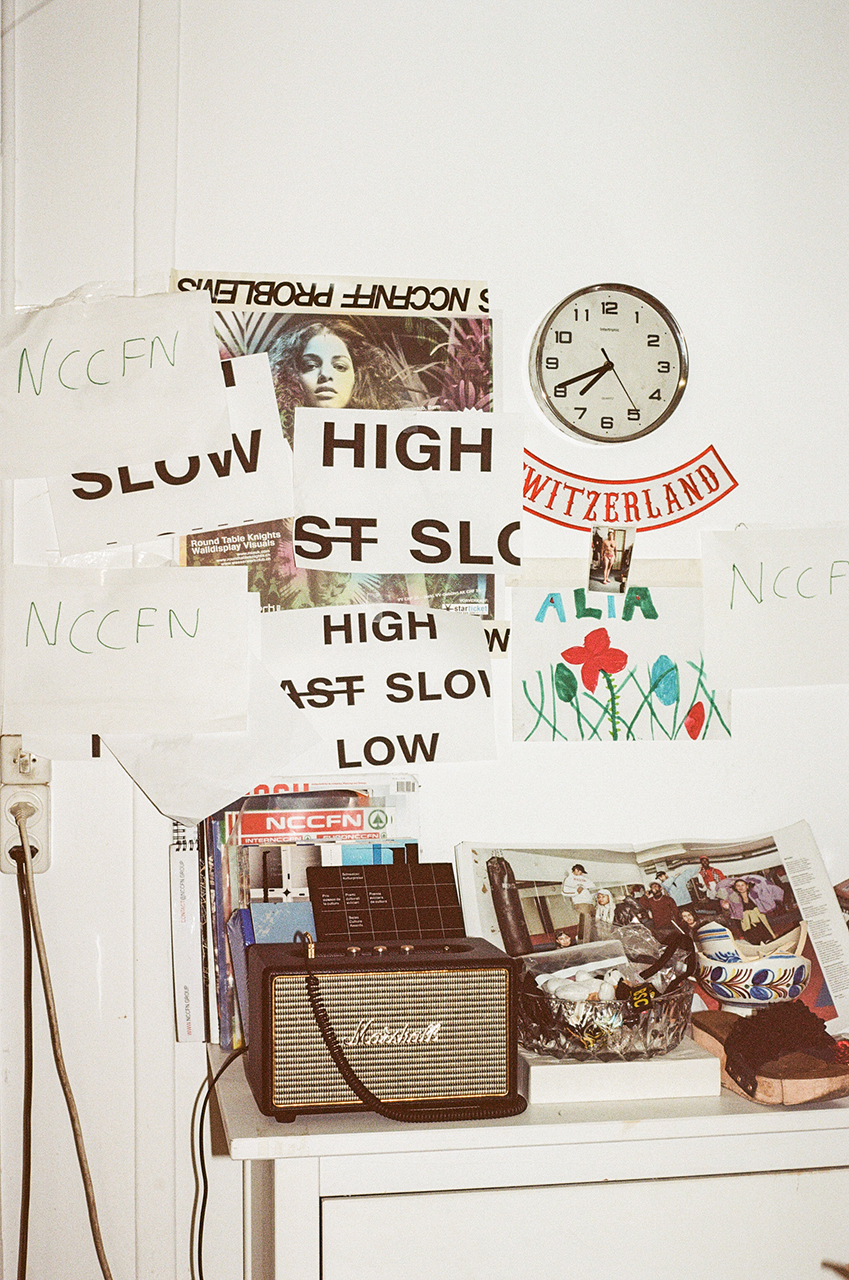
This young fashion label from Bern was co-founded in 2018 by designer Nina Jaun and considers itself as a critical intervention in the system of overproduction. That means: The network works on a one-off basis with companies that overproduce, using collaboration as a smart way of holding up a mirror to them.
nccfn.group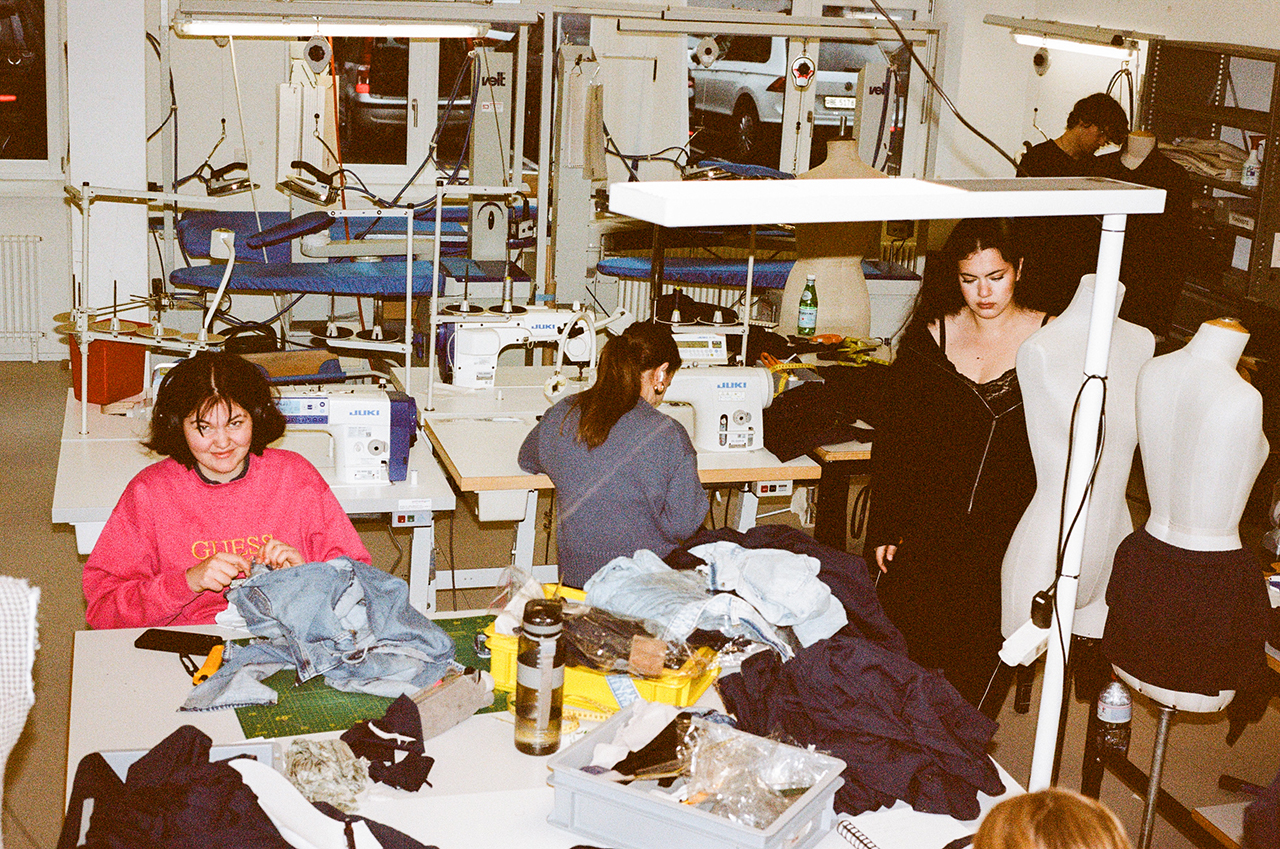
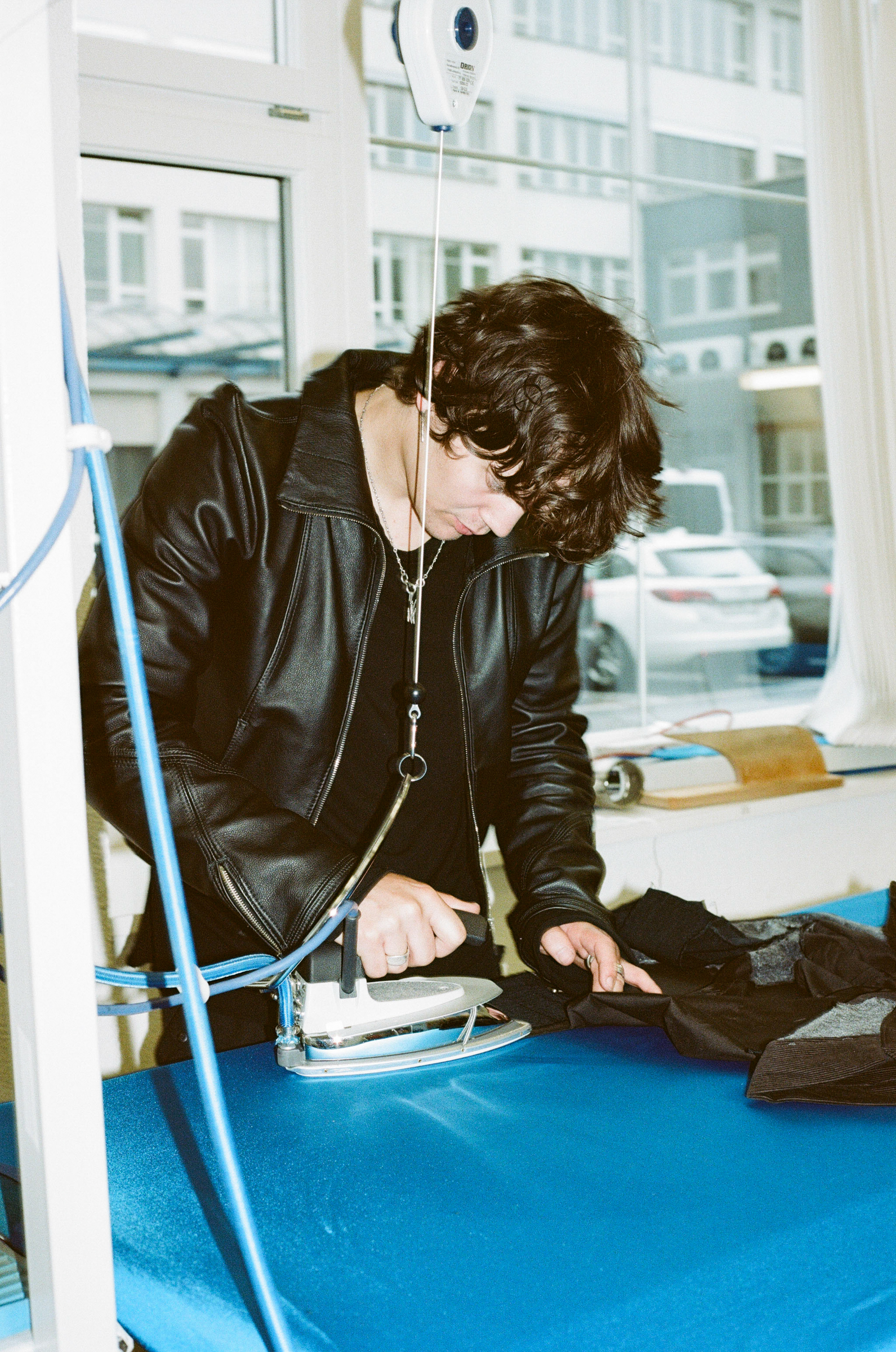
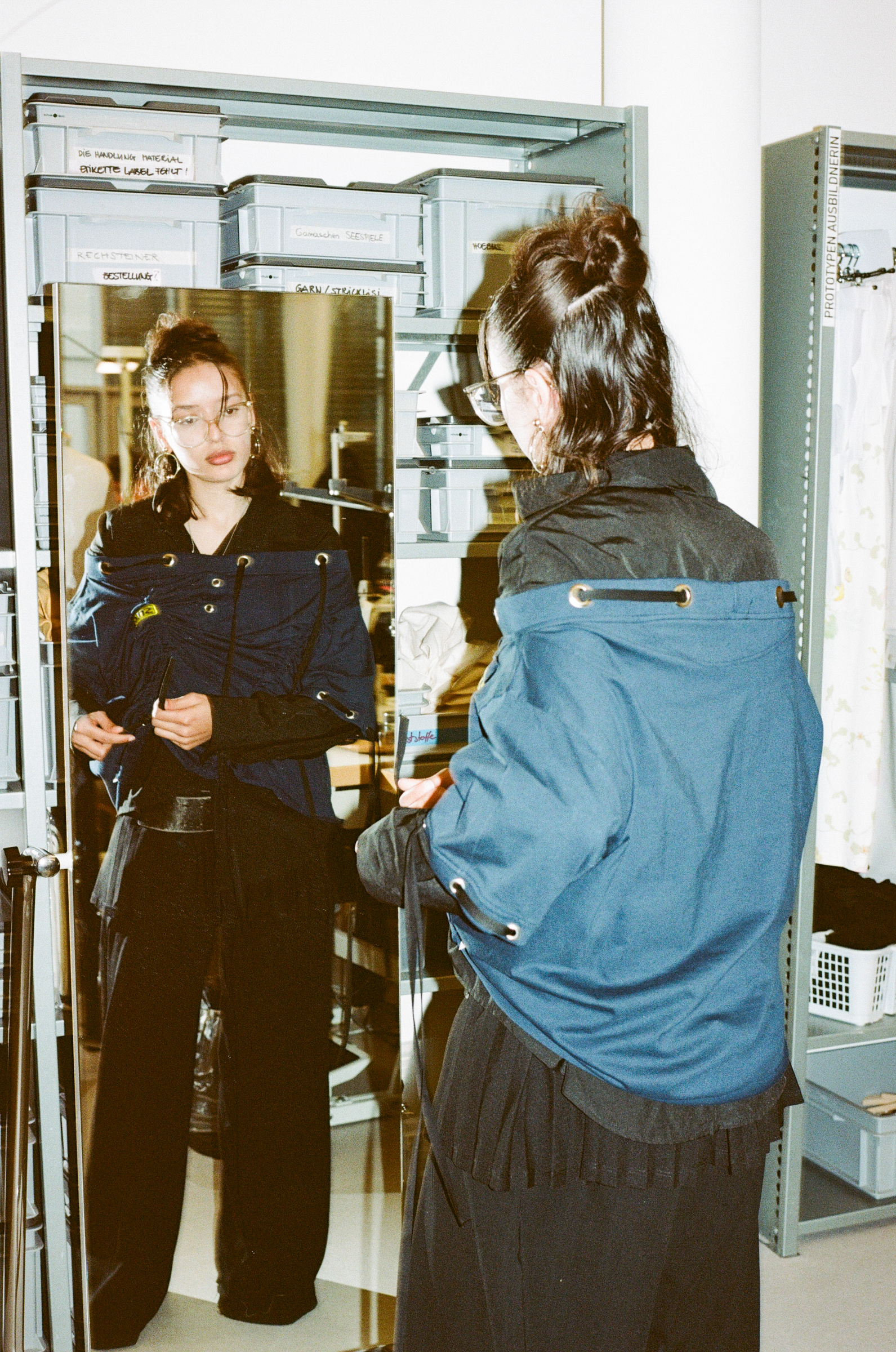
NCCFN Workshop, IDM Thun.
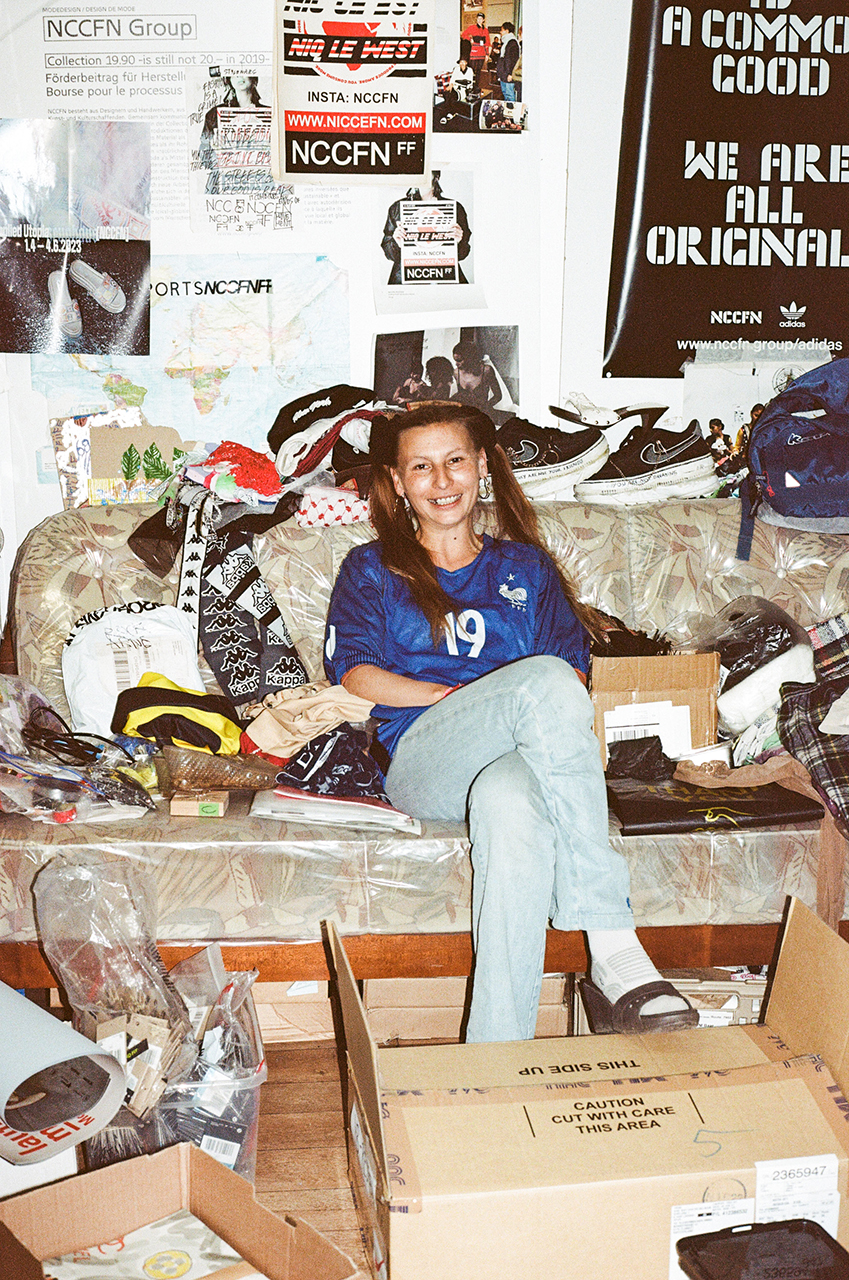
Nina Jaun at an NCCFN workshop in Bümpliz.
What exactly can we expect from the marketplace at the Kaiserhaus?
Evelyne: An open, accessible, joyful place for all. You are greeted with a tea when you enter. You can learn something new, watch what others are doing, chat with the creators, or get involved yourself. A bit like a modern bazaar right in the middle of Bern’s city centre.
Michel: We provide a stage for the circular economy and manufacturing. Not only producers, but also consumers can help create this. A circular economy is also about engaging with customers on equal terms, rather than treating them purely as consumers.
Repair, recycle, resell: Many of these concepts sound more like the past than the future. Doesn’t that put people of?
Evelyne: I believe the future can only be built on experience. The acceleration in the past decades has led to incredible consumerism and caused us to increasingly lose touch with the value of the things around us. The circular economy is built on making these values tangible. For example, we do this by maintaining, repairing, or recycling them. The latter is also often outsourced nowadays. We would like to restore and maintain this connection and the relationship with these things. It’s not something we need to invent, just something we have to rediscover.
Up to this point, circular economy has often been a downgrade. Will that change?
Michel: It is not a new idea in and of itself. Our ancestors hardly threw anything away. Today’s approach is based on an understanding of a sustainable economic model and aims to harmonise resource use, the environment, and people profitably. The circular economy is just getting started. We’re still trying a lot out…
Can you name any good examples in Switzerland?
Michel: The company ENGA from Biel is creating interior products from plastic waste collected in official recycling bags. Their production and material techniques truly lead to new products that are accompanied by an increase in value of the materials. Mover, a company from Lausanne, makes plastic-free outdoor clothing. They too will gain new experiences with the Kaiserhaus. We need more of these sorts of projects to expand our horizons and discover more aspects of the circular economy that go beyond just recycling.
How does regionality fit into the circular economy?
Evelyne: We live in such a globally connected world that we as producers can basically never act just locally. Especially in Switzerland. But regionality can help us understand how something is produced in the first place or see ourselves as stakeholders when we shop. The brand Rework, for example, has been demonstrating for years that you can build a new brand with old clothes. Their production facility is currently located in India. Their workshop and production facility are directly attached to a used clothing sorting plant. Now a part of this process is brought to the Kaiserhaus, and we see what it is like to do this work on site.
To what extent do forms of exchange beyond ‘money for goods’ play a role for you?
Evelyne: Labels and companies like NCCFN actively engage in discussions with their buyer because of their flexible pricing. The price tag shows a range between 60 and 180 Swiss francs, for example. The discussion starts like this: What will I pay? What won’t I pay? What is included in the price?
Michel: We’re also very interested in forms of exchange and shared investments. There is a lot we want to try out and create together. We do not have an already-finished project in April. We still have a lot to work out at this point.
Events and workshops are also planned. What will be discussed and imparted at those?
Evelyne: Some formats are more for professionals, and others are geared towards the general public. For example, we have trainer-refurbishing workshops planned where you learn how to restore and clean your trainers and even make minor repairs. As part of our ceramics workshop, a repair technique called Kintsugi will be taught at the events. Plus, you can watch lots of producers on the job like a watch manufacturer from Geneva, for example. Like at a bazaar where there are presentations, but you can look on as they work as well. We often look to bazaars as an example.
You have both worked in the luxury and fashion industry. Can fashion ever be sustainable and still yield a profit?
Evelyne: I think it can. I’m always concerned with quantity. You need a certain amount to offer variety and cover trends – style, expression and culture. In my eyes, today’s fast fashion has little to do with this culture.
The comparison to the difference between fast food and gourmet seems very appropriate. In the end, both gourmet food and fashion are about delight, taste, and style. Fashion should be allowed to remain playful, flamboyant and trendy, and not get stuck at a basic shirt
Is sustainability the new luxury?
Michel: This is a crucial point. Our aim is definitely to make sure sustainability is and remains affordable. But in order to influence the price, sustainable ideas must be scaled up or large companies must rethink how they do business. The more people participate, the more accessible it will be.
Evelyne: As we have less and less connection to the value of things, we often feel cheated when we pay more than the lowest market price. Going back to the bazaar: they negotiate their prices based on quality, purchasing behaviour and personal situations until they reach an agreement.
These exchanges at a bazaar have a lot to do with mutual trust. Are you doing trust-building work here?
Evelyne: Exactly. We have to learn how to negotiate again. It is not about the lowest price. It is about a deal that is fair to both sides. That is how lasting values are created. For society and the product. That sounds really ideological nowadays. But this system has worked pretty well for centuries.
Good Goods? OF GOODS!
The Kaiserhaus OF GOODS is becoming a place for future-oriented retail. A place where new economic, ecological, and social models are being tested, and everyone feels welcome. A place where things are bought, tried out, exchanged, fixed, reimagined, and developed.
Atelier & Manufacturing: The laboratory for practice, research, and learning: this is where lasting things are created. We fix, upcycle, produce – on location, where everyone can see. If you would like, you can watch, join in, or learn something new.
Kiosk & Store: From responsible products to true circularity. Lively like a bazaar, carefully curated like an exhibition. Pioneer brands are right next to young start-ups, beauty next to practicality. Things to take with you, things to try out. Always with a stance, always with a story behind it.
People’s Place: Sometimes an exhibition, sometimes a workshop, sometimes a market: This space changes with the ideas that are brought into it. If you stay here, you will chat, find inspiration, or just have a cup of tea.
Newsletter
Subscribe to our newsletter and stay in contact with the Kaiserhaus
to benefit from inspiration and offers.