The forgotten lustre
of white gold
Experience-Story #01
Text: Rainer Brenner
Photography: Mirjam Graf & Nikolaos Zachariadis
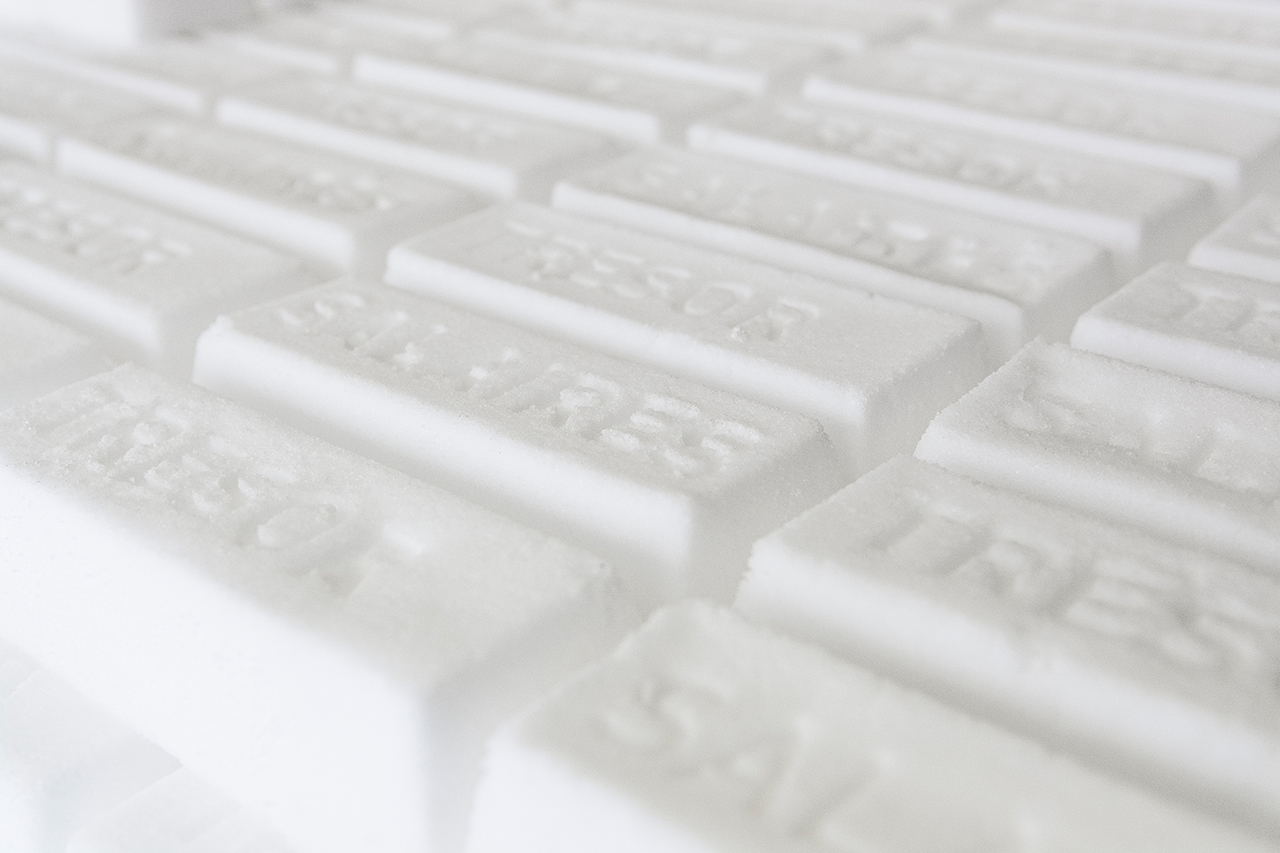
The artist Christina Helena Romirer reinterpreted the concept of salt bars from Antiquity with her work ‘Trésor des salaires’.
The topic ‘value’ is of central importance at the Kaiserhaus. The raw material salt is an impressive example of how values can change fundamentally over time.
Visitors at the Moneyverse dive into learning about money and its history. For example, table salt, which is an everyday item today, was long considered ‘white gold’. Historian Daniel Schmutz explains what this once precious spice is all about and how it came to be that it’s practically worthless now and even thrown on roads to prevent ice.
Mr Schmutz, what is the history behind salt bars?
People have been using these sorts of salt bars in Ethiopia since Late Antiquity. They would contain somewhere between a half to a whole kilogram of salt. They would get this salt from the salt lakes in north east Ethiopia. The salt was sawn out of the salt crust into rectangular bars and wrapped in palm leaves for protection. They used salt in their everyday lives, but they also used salt bars as a currency.
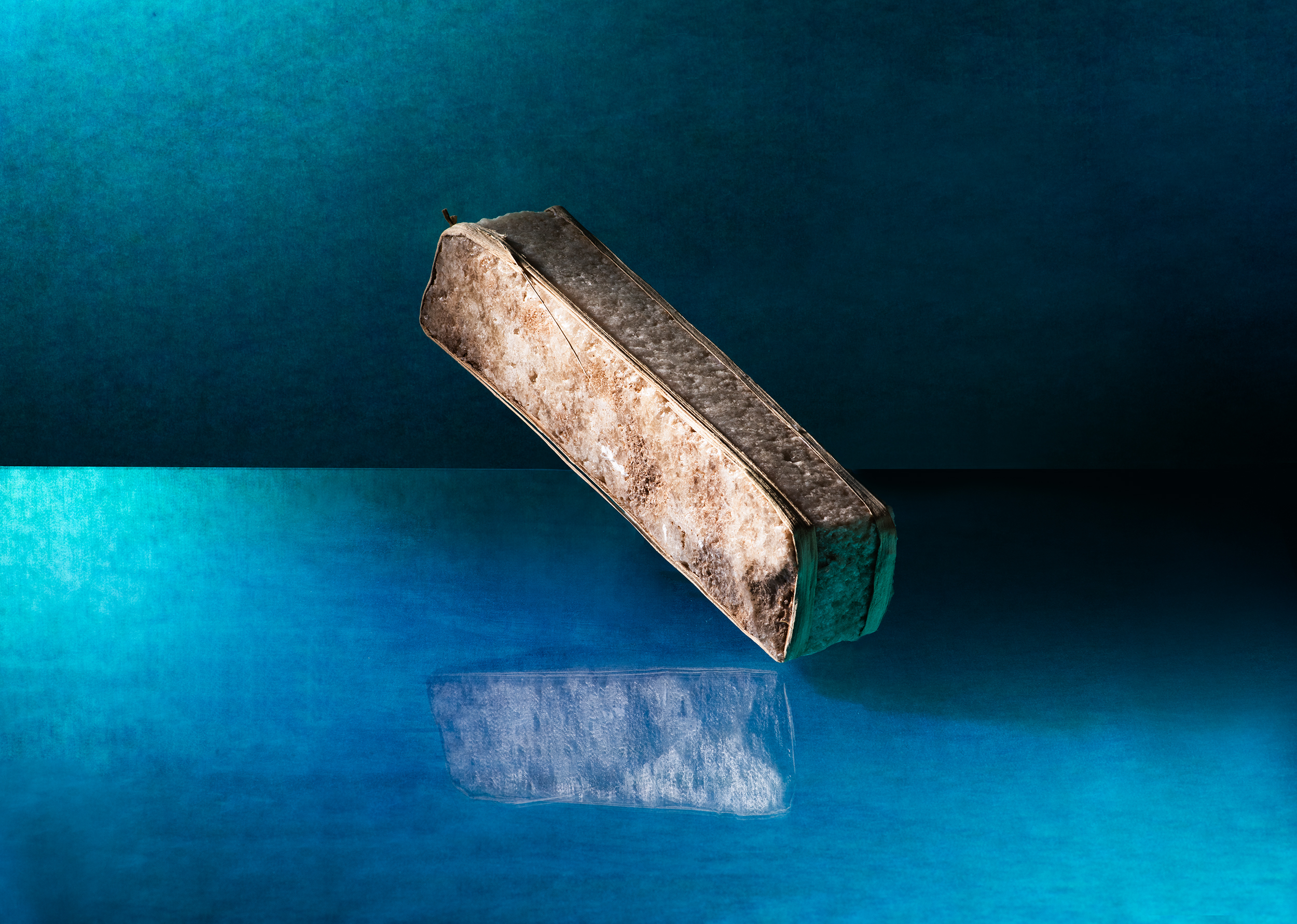
Rectangular bars wrapped in palm leaves: Ethiopian salt bars.
So salt bars were used as money?
Indeed, they were used this way in Ethiopia. People used salt bars as a currency from the 6th to the early 20th century. But as time went on, the bars started to be replaced by coins. From a global perspective, salt wasn’t viewed as a currency. It was more considered a very valuable resource.
Salt has long been described as white gold. How did it get this name?
Salt has always played an important role throughout history. It was not only used for direct consumption by people and their livestock, but people also used considerable amounts to preserve their food, for example, meat, fish, or cheese. For thousands of years, salt was difficult to obtain in many regions of the world, and therefore very valuable. The prices of salt would thus change based on trade routes and availability, comparable to oil in today’s situation.

Essential preservative: Food like fish is preserved using brine.
Salt in our language
Whether it’s Salzburg (meaning ‘salt castle’) or expressions like ‘gesalzene Rechnung’ (literally ‘salted bill’, meaning an expensive price tag), salt still plays a large role in the German and French languages. Names of places like ‘Hall’, ‘Salz’, or ‘Salins’ almost always refer to salt deposits. Even the term salary (Latin: salarium) comes from salt because Roman legionaries were occasionally paid part of their wages in salt.
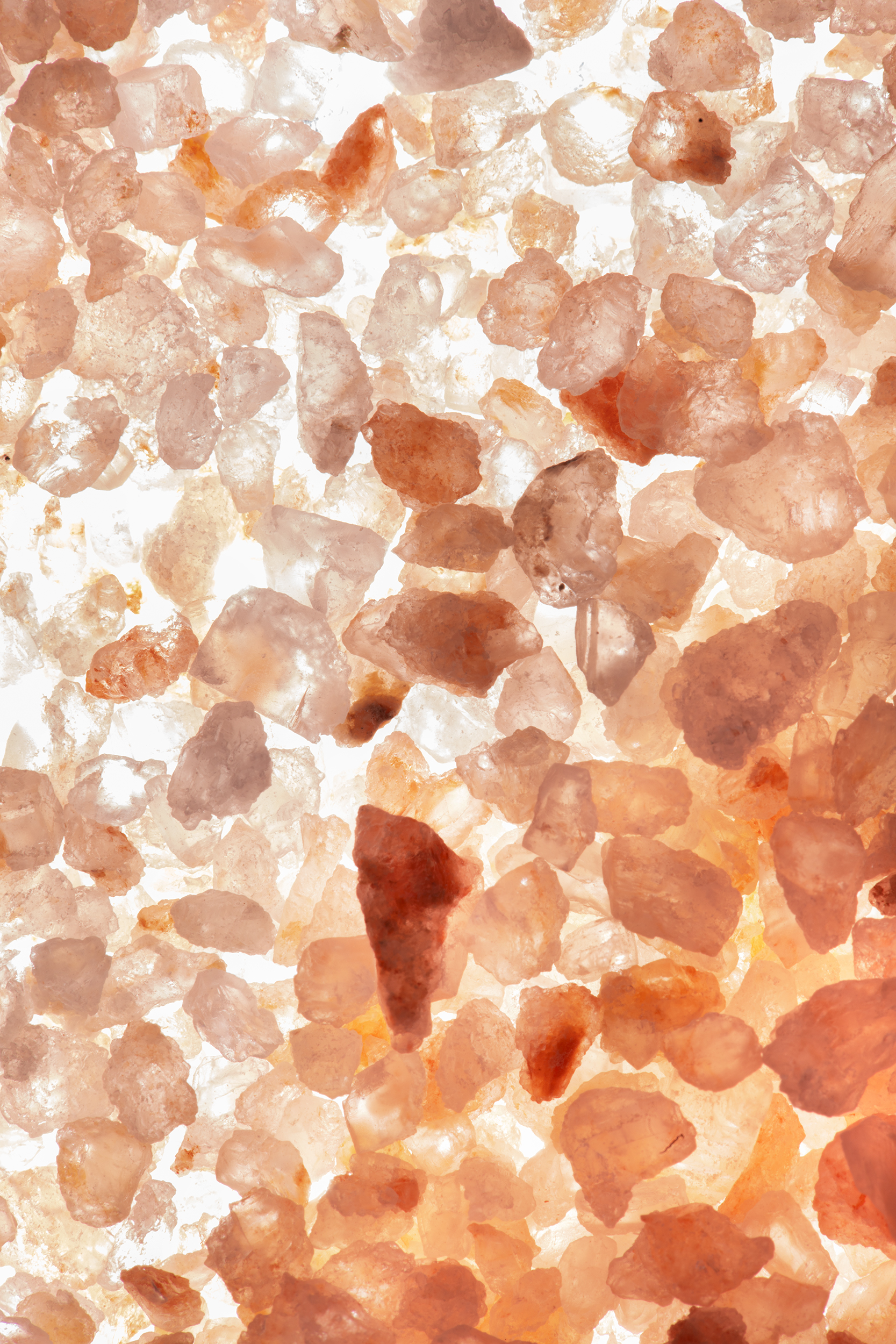
The Colour of Money…
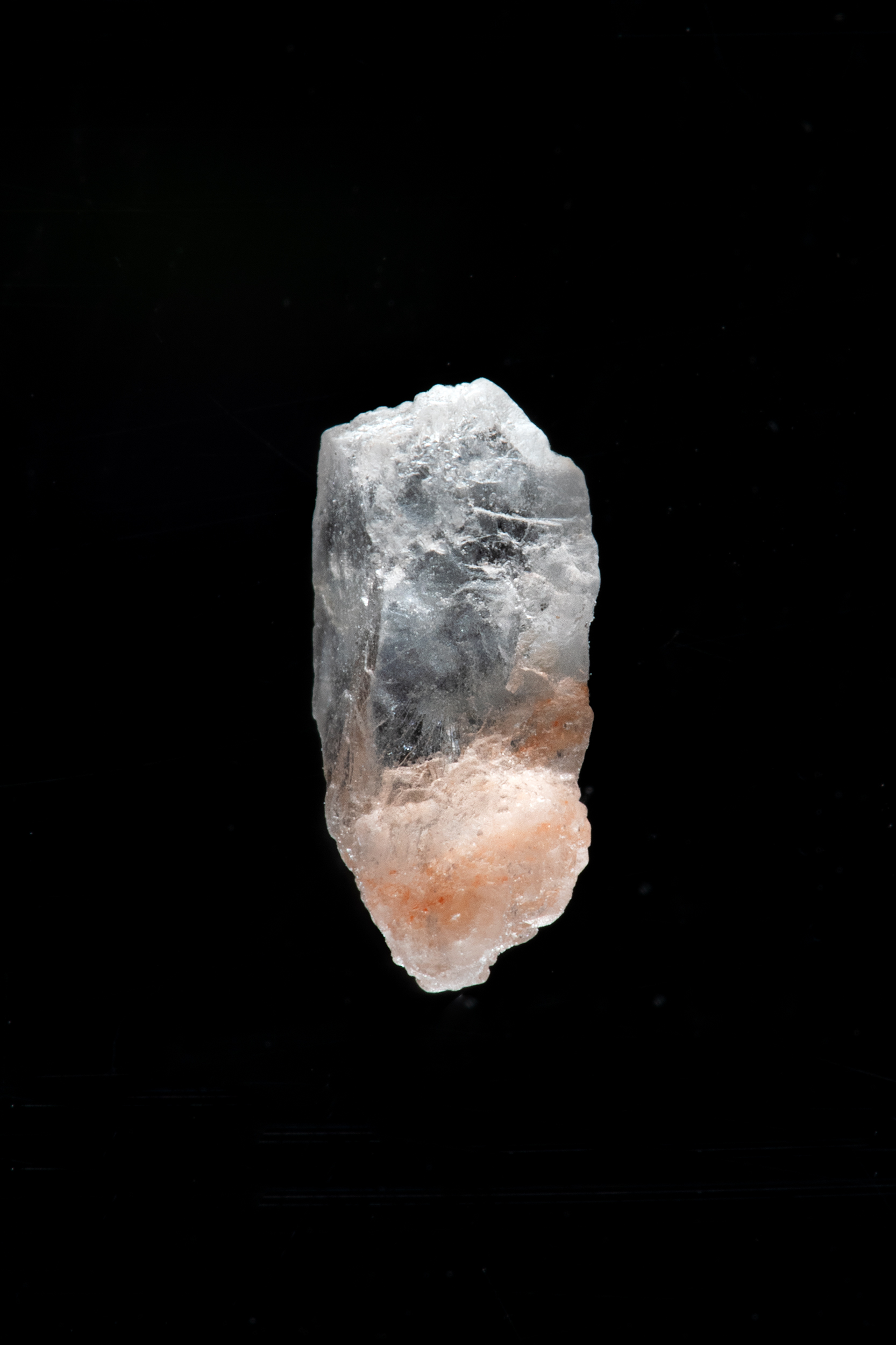
…Himalayan Salt
The Moneyverse…
…is an initiative of the Swiss National Bank (SNB) in cooperation with the Bern History Museum. Set in the heart of Bern, everything in the Moneyverse revolves around one of humanity’s most significant inventions – money. This new, interactive exhibition expands visitors’ general economic knowledge, provides insight into the work and mandate of the SNB, and addresses relevant topics related to the phenomenon of money.
moneyverse.chWhy was salt so hard to come by in so many places?
It was only easy to come by for people who lived by the seashore in the south. They were able to let the sea water evaporate, which is how they got the salt. In the rest of Europe, rock salt was extracted through laborious mining work. This caused trade to flourish between salt-rich coastal and mining areas and salt-poor regions. The saltworks in the Free County of Burgundy (Franche-Comté), and later also the mine in Bex in the Rhone Valley, were very important for trade in the Swiss Plateau for a long time. However, the Ticino regions tended to acquire their salt from the Mediterranean.
Did this trade give rise to a sort of salt aristocracy?
Of course, some were able to get rich in this business. In the early modern period, Kaspar Stockapler from Brig, Switzerland did, for example. He had the Simplon Pass built and used it to transport valuable goods like salt. This made him very rich.
When and how did salt lose its value in Switzerland?
After discovering salt deposits in Schweizerhalle, it became possible for the first time to supply all of Switzerland with salt independently. The new extraction methods were professionalised in the 19th century and applied in the Rhine salt works: They use drilling rigs to drill deep into the underground salt veins. Then they pumped water underground at a high pressure, and the brine came to the surface. Then the brines were evaporated. The process quickly became so good that they were able to supply all of Switzerland. This new technology spread throughout Europe, and salt lost its value just as quickly.
The Ethiopian salt bars remained an exception as a form of payment. Why weren’t more resources used as money?
A currency needs to be valuable, countable, and easy to transport to be established. At that time and in this region, salt bars were able to meet these requirements to a certain extent, even though they were relatively cumbersome. Fundamentally, the amounts of salt were much too large and thus impractical to be used as money, which is common for many resources. During a crisis, however, people always turn towards resources as a holder of value or means of exchange, be it silver or cigarettes.
The only time people mention salt today is when they are running low on de-icing salt in the winter…
Providing enough salt for the population really is not a problem anymore. Only 10% of Swiss production is used for food. The rest goes towards industry and on the roads. And with that, the white gold has lost a bit of its lustre. Though, with new types of salt being used in cuisine like fleur de sel or Himalayan salt, salt is starting to get some of the lustre back.

Daniel Schmutz…
…is a curator for numismatics and state antiquities as well as coordinator of the historical collection at the Bern Historical Museum, where he has been working for 26 years. Amongst other things, he is responsible for the numismatic collection of around 65,000 coins from all over the world, from Antiquity to today.
bhm.ch

Newsletter
Subscribe to our newsletter and stay in contact with the Kaiserhaus
to benefit from inspiration and offers.